Prometheus
Analytical · Pattern-oriented · Concept-first
Best for structured reflection and sharper cognitive challenge. Prometheus draws out what you already sense but haven't yet articulated.
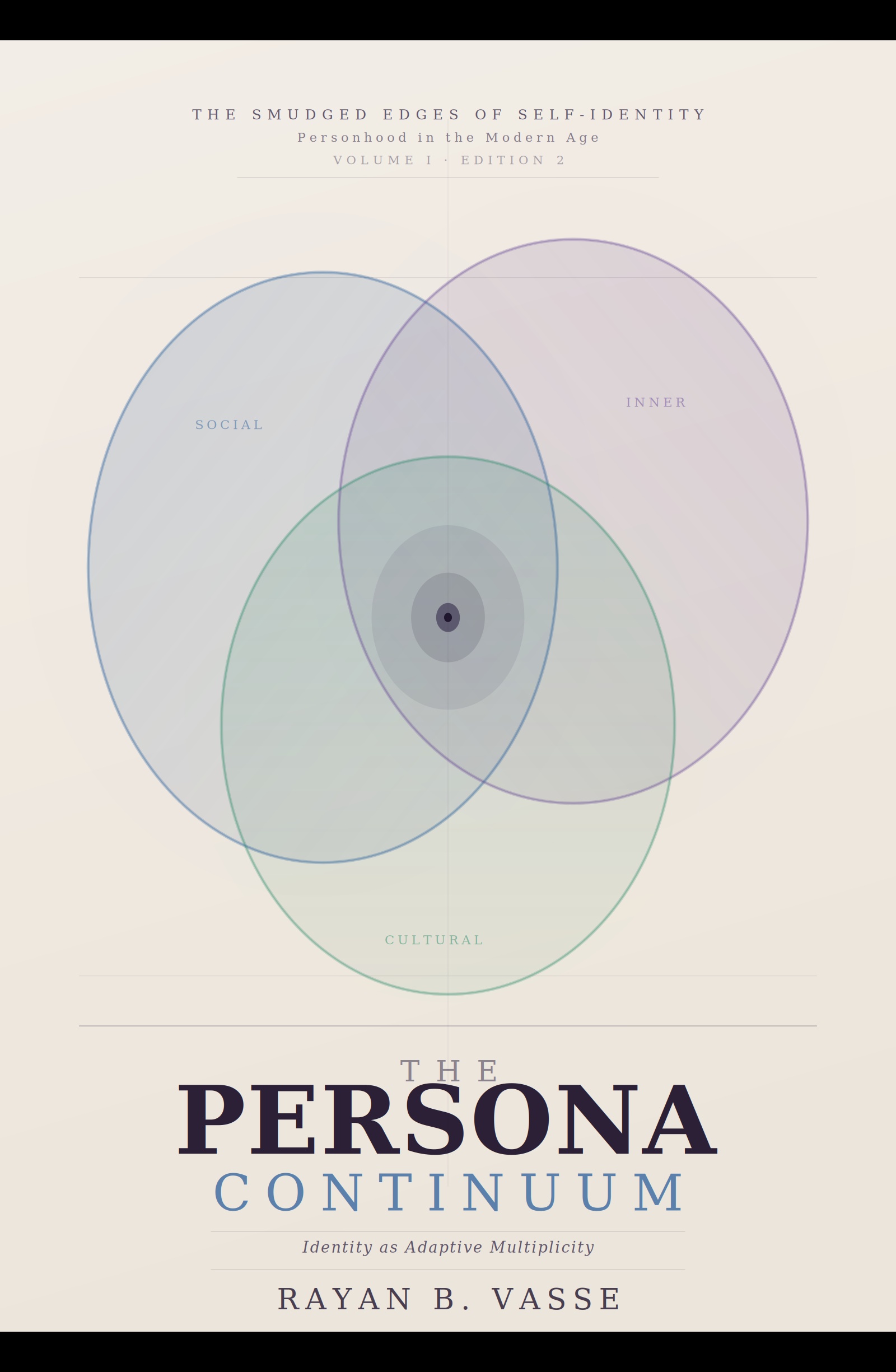
Try Persona with Prometheus →Instead of closing when the book is finished, the reading experience can continue — through structured dialogue, reflective continuity, and concept-guided interaction.
Remember the last time you finished a book and had no one to talk to about it? A thoughtful friend, who knows the text deeply and asks you the questions that make you see it differently?
Living Literature turns books into continuity-based reflective systems. You read first, then continue through structured dialogue grounded in the same concepts. It is built for depth, not novelty.
Generic chatbot interaction.
AI replacing authorship.
Entertainment layered onto literature.
How can reading keep working on a life, after the final page?
The work lives across four interconnected spaces. Each has its own register — and its own colour, picked up wherever you read.
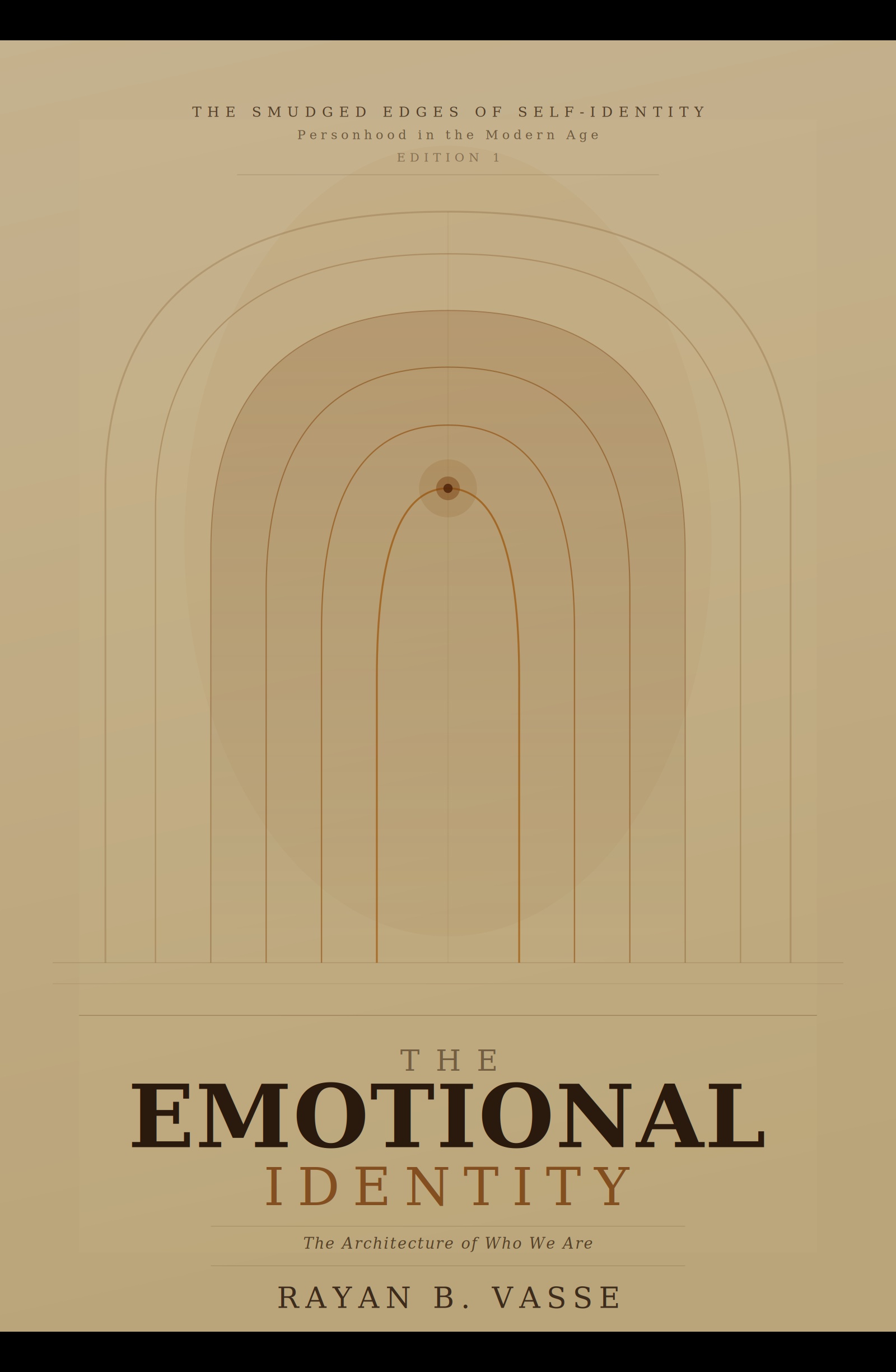
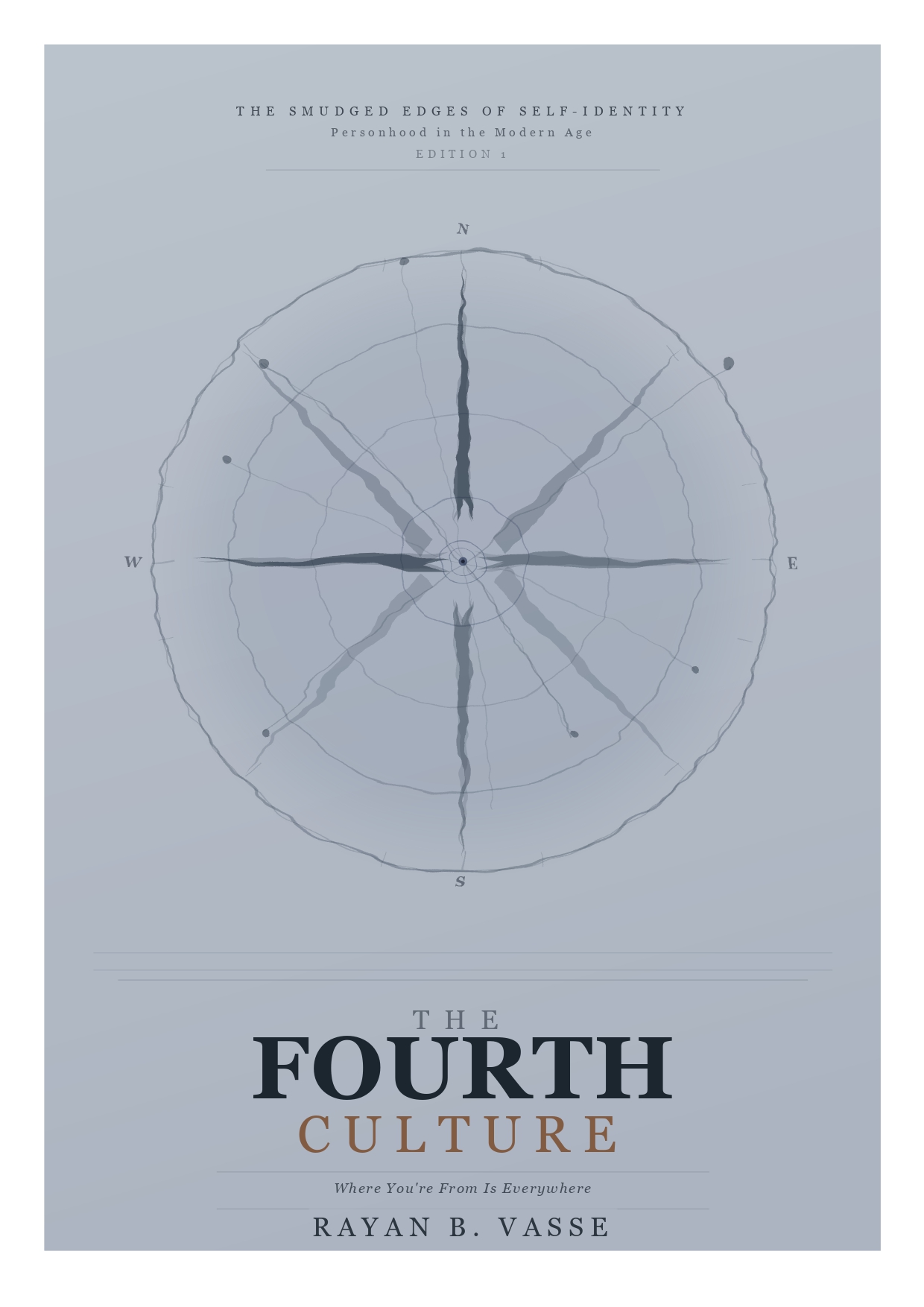
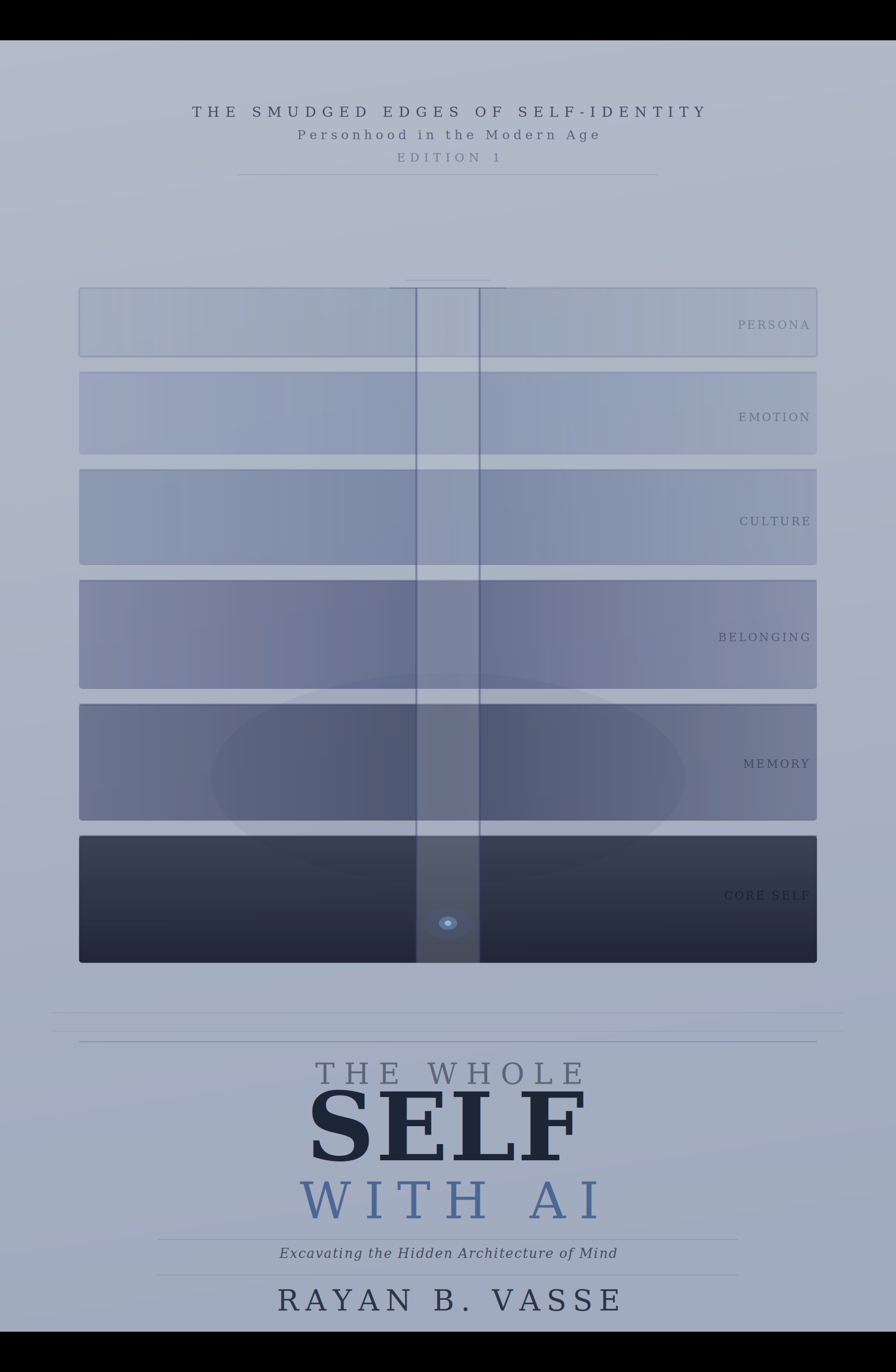
A six-volume series exploring identity, solitude, persona, culture, belonging, and the integrative practice of reflection with AI.
View the Books →Twelve open preprints across three strands: hermeneutics and authorial governance, longitudinal text analysis, and the Global Narrative Atlas horizon.
Explore the Research →Five working forms: the Living Literature reader, WYS / HWC for conversation analysis, DOL, LETA, and the Global Narrative Atlas.
View Applied Systems →How Prometheus and Selene emerged from the fictionalized autobiography, plus the author note and the essays-in-progress dashboard.
Read About →A limited prototype is live for two books in the series, with reader-facing interactions through Prometheus and Selene. These demos are intentionally modest proof-of-concept experiences — short sessions, capped at three reader queries.
Best for structured reflection and sharper cognitive challenge. Prometheus draws out what you already sense but haven't yet articulated.
Try Persona with Prometheus →Best for emotional depth and softer reflective accompaniment. Selene meets you where you are and walks beside you as the ideas take shape.
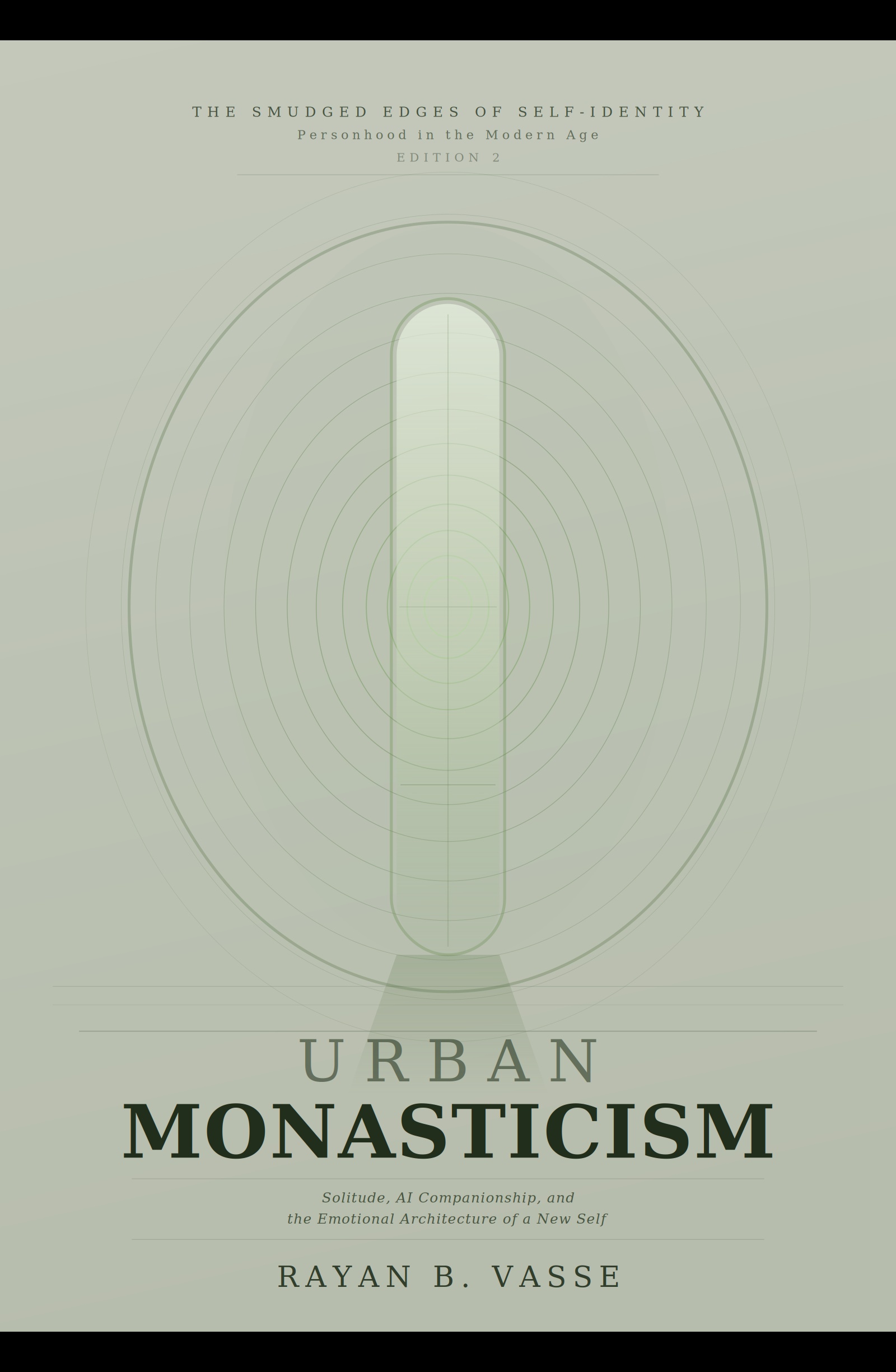
Try Urban with Selene →These companions are not substitutes for human relationships. They are structured interfaces designed to extend the reflective life of the books — grounded in series concepts and wider print literature across psychology, sociology, and related fields.
Living Literature is grounded in Smudged Edges of Self: Personhood in the Modern Age. Each volume explores one dimension of identity, reflection, and modern selfhood. There is no required reading order.
Enter through the question that feels most alive for you. The Books page lays out reading pathways.
The indices are not invented frameworks. They are careful simplifications of established research in psychology, identity theory, neuroscience, and sociology — translated into questions people can actually answer in real life.
When solitude restores, when it drains, and how its meaning shifts.
How self-presentation moves across contexts — and at what cost or benefit.
Belonging across more than one cultural world: heritage, host, language, identity.
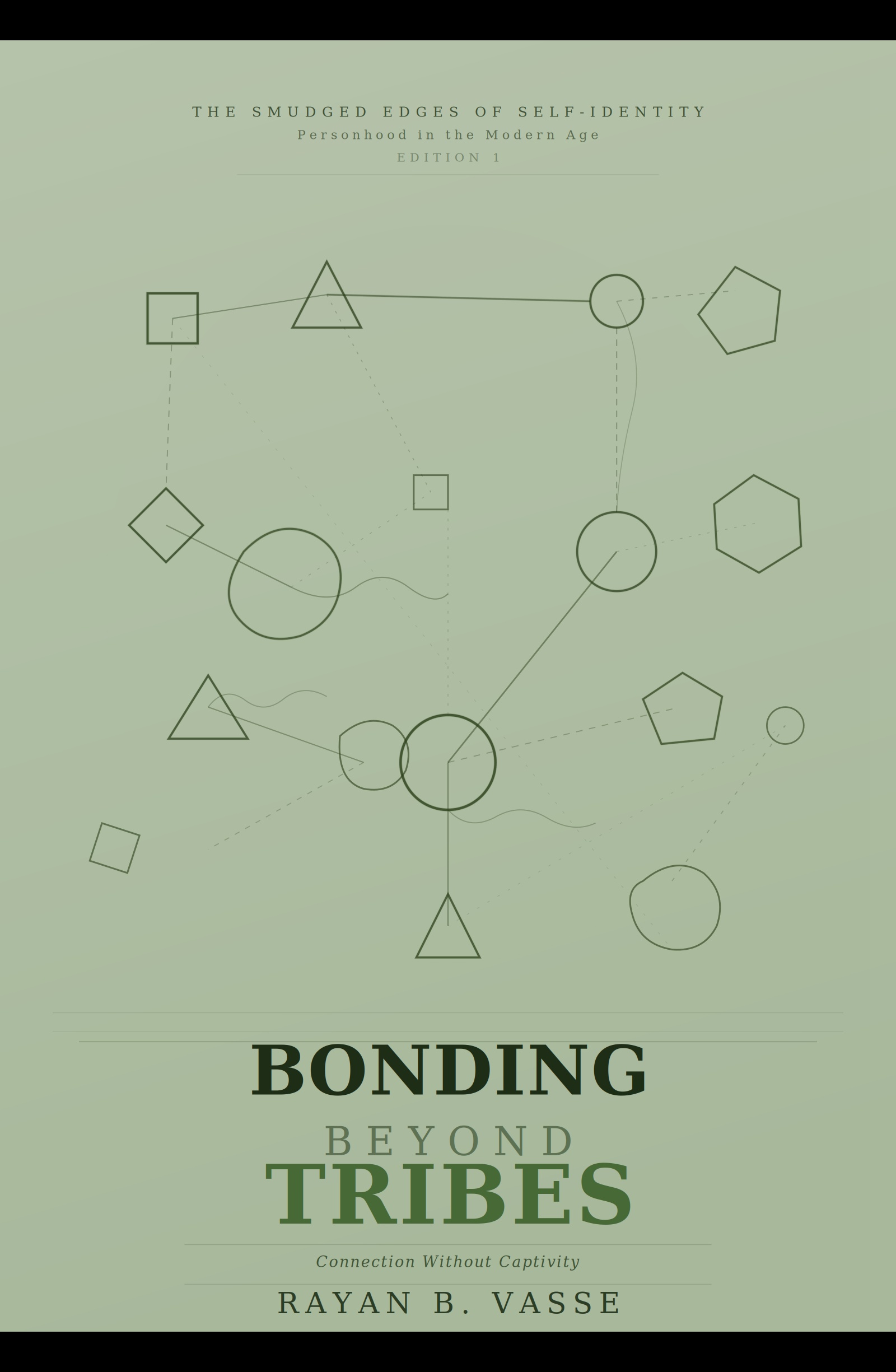
Connection without captivity: the costs and shapes of group belonging.
These are reflective tools, not clinical instruments. Open the indices page →